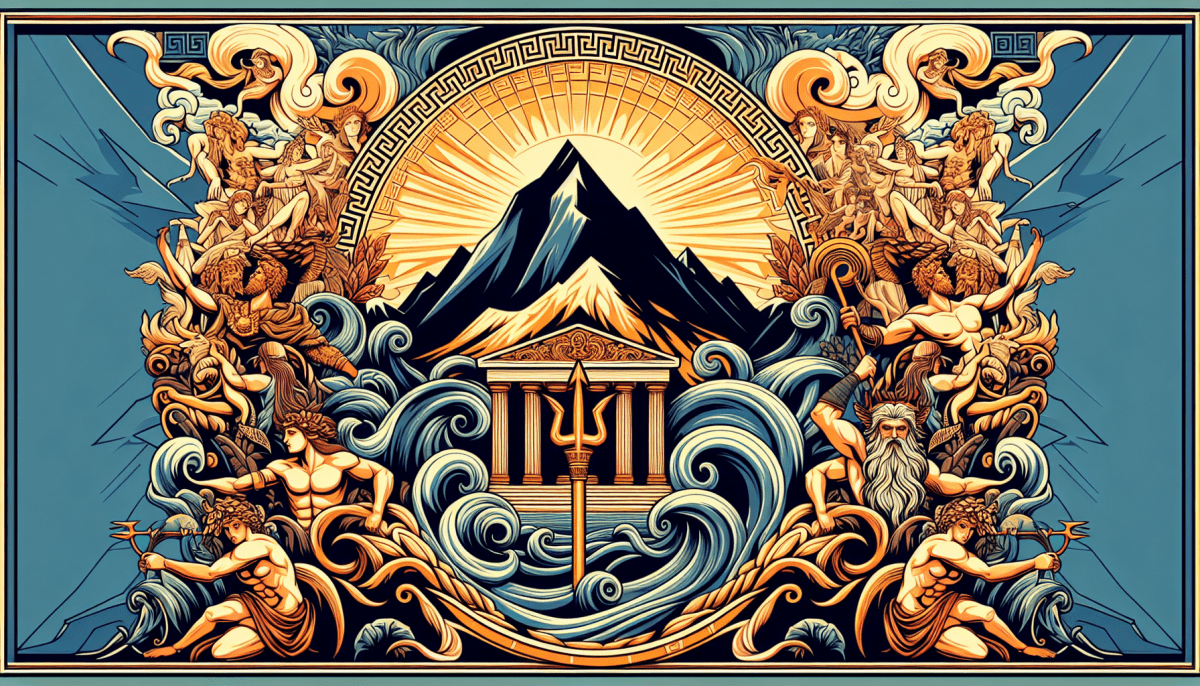
Greek mythology has its roots deep in ancient history, dating back to around 1000 BCE. These stories began as oral traditions shared among people, passed down through generations. The Greeks used myths to explain natural phenomena, human behavior, and cultural practices. Think of it as their way of making sense of the world around them.
The gods and goddesses of Greek mythology were larger than life. Zeus, Poseidon, and Athena, to name a few, were central figures. Each had their own unique powers and personalities, representing various aspects of human experience. People worshiped these deities, believing they could influence everything from the weather to their fortunes in battle.
As Greek civilization flourished, so did these stories. The written word began to capture the myths, thanks to poets like Homer and Hesiod. Epic tales like the "Iliad" and the "Odyssey" brought characters like Achilles and Odysseus into the spotlight, helping to shape the Greek identity. These works made mythology accessible, turning it into a powerful tool for teaching moral lessons and cultural values.
Over time, these myths became intertwined with Greek religion, art, and even politics. They influenced everything from temple architecture to theater. Festivals honoring the gods were a big part of life, with rituals and performances celebrating their stories. This fusion of culture and belief kept the myths alive, passing them on for centuries.
Key Myths and Their Meanings
Greek mythology is filled with intriguing stories and fascinating characters. Each myth carries its own meaning, often teaching lessons or explaining natural phenomena. Let’s dive into some key myths and see what they reveal.
Take the story of Prometheus, for example. He stole fire from the gods to give to humanity, igniting creativity and progress. This act symbolizes the pursuit of knowledge and the struggles that often come with it. His punishment, being chained to a rock where an eagle feasts on his liver daily, reminds us that great achievements can sometimes come with great costs.
Then there’s Persephone, the goddess of spring, who was taken to the underworld by Hades. Her journey between the two realms represents the cycle of life and death. When she’s in the underworld, the earth becomes barren, while her return brings blooming flowers and a rejuvenation of life. This myth beautifully captures the changing seasons and the balance of life.
Don’t forget about Theseus and the Minotaur. This myth revolves around courage and cleverness. Theseus faced the fearsome Minotaur in a labyrinth, showcasing bravery in the face of danger. With the help of Ariadne, who provided him a thread to find his way back, it shows how teamwork and clever thinking often lead to overcoming challenges.
Lastly, let’s chat about Icarus, who flew too close to the sun with wings made of feathers and wax. Ignoring his father Daedalus’s warning, he fell into the sea when the wax melted. This tale teaches an important lesson about hubris and knowing your limits. Sometimes, ambition needs to be tempered with caution, or it might lead to downfall.
Famous Gods and Goddesses
Greek mythology is filled with fascinating gods and goddesses, each with their own unique stories and powers that shaped the world. Let's dive into a few of the most famous deities that have captivated imaginations for centuries.
First up is Zeus, the king of the gods. He's often portrayed as a mighty figure with a thunderbolt in hand. Zeus rules the sky and is known for his strength and authority over both gods and humans. His adventures, including his famous siblings and epic battles, showcase his central role in many myths.
Then there's Athena, the goddess of wisdom and war. She's often depicted wearing armor and carrying a shield, symbolizing her strategic prowess in battle. Athena is not just about war; she's also a protector of cities, especially Athens, where she was widely revered. Many tales highlight her cleverness and resourcefulness.
Don’t forget about Poseidon, the god of the sea. With his trident, he's a mighty force of nature. Poseidon controls storms and earthquakes, making him a figure of fear and respect. Sailors often prayed to him for safe passage, showing just how important he was to ancient Greek culture.
Last but not least, we have Aphrodite, the goddess of love and beauty. She's often associated with romance and desire, making her one of the most beloved deities. Her tales involve not only her enchanting beauty but also the complexities of love, and her stories resonate with anyone who’s ever felt the ups and downs of romance.
Impact on Modern Culture
Greek mythology really shapes our world today. You see it everywhere, from movies to art to fashion. The gods and heroes from ancient tales inspire stories that captivate our imagination and influence our culture in more ways than you might think.
Take films, for example. Blockbusters like "Clash of the Titans" and "Wonder Woman" draw directly from Greek myths. They bring the epic adventures of gods and demigods to the big screen, showcasing themes of heroism, love, and betrayal that resonate with modern audiences. These stories make ancient mythology feel relevant and exciting.
Art and literature haven’t escaped the reach of mythology either. Many contemporary artists and writers borrow elements from Greek myths, adding depth and symbolism to their work. It’s common to find references to characters like Aphrodite, Zeus, or Hercules, tying today’s emotions and situations back to these timeless figures.
And let’s not forget about language! Phrases like "Herculean task" or "Achilles heel" are familiar to many. They stem from Greek myths and are still used to express everyday struggles or weaknesses. So, the next time you use one of these sayings, remember that ancient stories still echo in our daily lives.