Asian mythology is filled with fascinating creatures that spark the imagination. From dragons to phoenixes, these beings aren’t just characters in stories; they hold deeper significance in various cultures. Let's dive into a few of these mythical creatures that have captured hearts for centuries!
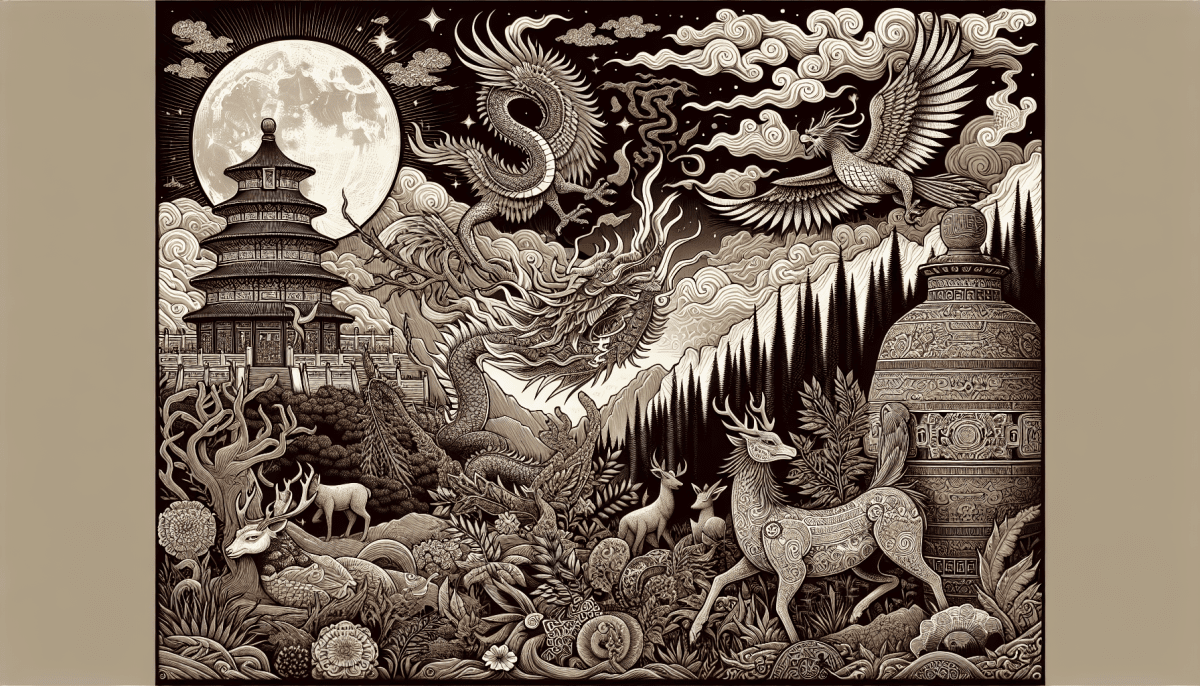
First up, we have the dragon, a powerful symbol in many Asian cultures. Unlike the fire-breathing, scary movies we often see, Asian dragons are generally seen as benevolent and wise. They bring rain and good fortune, making them revered figures in Chinese mythology. Their long, snake-like bodies and impressive antlered heads are easy to spot in art and festivals.
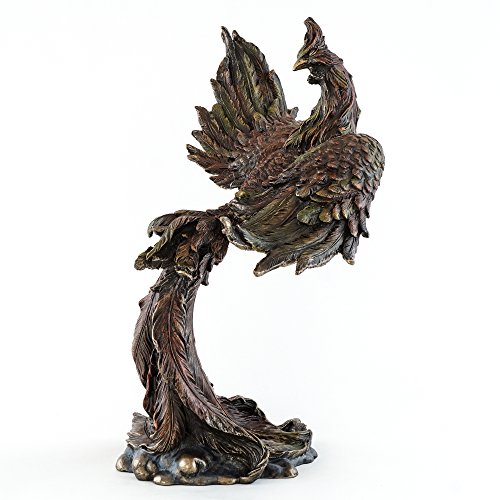
Then there’s the majestic phoenix, often associated with renewal and immortality. This stunning bird bursts into flames when it dies, only to rise anew from its ashes. The phoenix represents resilience, and you’ll find it celebrated in various festivals, especially in China. Its beautiful plumage and fiery rebirth make it a captivating symbol of hope.
Let’s not forget the kirin, a legendary creature that resembles a mix of a dragon and a deer. Often seen as a good omen, the kirin appears during the reign of wise rulers and represents peace and prosperity. Spotting this mythical creature is like catching a glimpse of fortune!
These are just a few examples of the amazing creatures that populate Asian mythology. Each one has its unique story and significance, making them an exciting part of cultural heritage. Whether you’re drawn to the wisdom of dragons or the rebirth of phoenixes, there’s so much to explore in this rich tapestry of lore.
Fascinating Legends from Different Cultures
Asian mythology is a treasure trove of fascinating legends that draw you in with their unique stories and characters. Each culture weaves its own distinct tales, from the enchanting to the downright bizarre. Let’s take a peek into some highlights.
In Japan, the story of Amaterasu, the sun goddess, stands out. She's not just a powerful deity; her tale explains why the sun shines. When she hid in a cave, the world fell into darkness. To lure her out, the other gods threw a wild party outside. This joyful ruckus finally coaxed her out, bringing light back to the world. It’s a beautiful reminder of the balance between darkness and light.
Over in India, we find the epic story of the Ramayana. It's all about Prince Rama’s quest to rescue his wife, Sita, from the demon king Ravana. Along the way, you meet a talking monkey named Hanuman and witness incredible battles. This tale touches on themes of love, duty, and heroism that resonate through generations.
Then there’s the Chinese legend of the Dragon King, who rules over rain and rivers. The Dragon King's mood decides whether there’s drought or flooding. This myth highlights the importance of nature in Chinese culture. People often pray to him for blessings, hoping for a bountiful harvest every year.
These legends offer a glimpse into the values and beliefs of different cultures. Whether you're laughing at the mischief of the Monkey King or feeling the weight of Rama’s struggles, there's so much to discover in the rich tapestries of Asian mythology. Each story isn’t just a tale; it’s a connection to the heart of its people.
Amazing Myths of Creation and Origins
Every culture has its stories about where we come from, and Asian mythology is filled with incredible tales of creation. In Hinduism, there's the story of Vishnu, who rests on a sea of cosmic waters. When he awakens, he creates the world from his thoughts and the sound of the sacred mantra "Om." It's a beautiful illustration of the power of thought and sound in bringing the universe into being.
Over in China, the myth of Pangu is pretty cool. Pangu emerged from a cosmic egg, and as he grew, he separated the sky from the earth with his enormous body. After he passed away, his body transformed into various elements of the world – his breath became the wind, his voice turned into thunder, and his body formed mountains. This story really captures the idea that we’re all connected to nature.
Then there’s the Japenese creation myth featuring the deities Izanagi and Izanami. Armed with a jeweled spear, they stirred the ocean to create the first island and eventually gave birth to many gods. Their tale is rich in emotion and shows the complexities of love, loss, and the cyclical nature of life in the world.
These myths don’t just tell us how the world began; they also reflect the values and beliefs of the cultures they come from. They bring forward themes of harmony, balance, and the importance of nature. Picking apart these stories not only sparks our imagination but also deepens our understanding of different cultures. They remind us that everyone has their unique story about how we came to be!
Key Themes in Asian Mythology
Asian mythology is packed with incredible stories and themes that really connect with people. One big theme is the idea of harmony. Many Asian myths focus on how nature and humans should live in balance. Whether it's the legends of mystical creatures or gods, there's often a message about respecting nature and finding peace in life.
Another theme you'll spot is the journey or quest. Characters usually embark on adventures that involve overcoming obstacles, learning life lessons, and growing along the way. These stories remind us that challenges can lead to personal growth and transformation. It’s not just about the end goal but the journey itself that makes the experience worthwhile.
Family and community also play vital roles in these myths. Many stories highlight strong bonds between family members or the importance of community support. This theme resonates deeply, showing how people depend on each other in tough times and celebrate together during joyous occasions.
Lastly, we can't forget about the mystical elements. Many Asian myths delve into the supernatural, featuring gods, spirits, and otherworldly creatures. These fascinating tales spark imagination and make the stories even more engaging. They give us a glimpse into the beliefs and values of various cultures, blending reality with the magical.